
We have analyzed the development pipeline to identify five properties whose upcoming debuts tell a larger story about the future of travel. Each represents a distinct trend that will shape how organizations plan and execute their most important trips.
 1. Aman Nai Lert Bangkok, Thailand
Why We’re Watching: Aman built its reputation on secluded, ultra-luxury resorts in remote locations. Its continued expansion into urban centres like Bangkok signals a fundamental shift. The property, set within the private Nai Lert Park, aims to provide a resort-like sanctuary in the heart of a bustling metropolis. It combines 52 suites with up to 30 branded residences and extensive wellness facilities, offering privacy and tranquility alongside city access.
The Broader Trend: The Urban Sanctuary. The demand for wellness is no longer confined to vacation travel. Executives and senior leaders increasingly seek environments that allow them to decompress and focus, even in major business hubs. This model caters to the need for restorative travel, where high-stakes business can be conducted in a low-stress environment. It moves beyond a simple hotel room to offer a holistic space for both productivity and well-being.
 2. Mandarin Oriental Muscat, Oman
Why We’re Watching: The arrival of a brand like Mandarin Oriental in Oman solidifies the country’s position as a rising star in the luxury travel landscape. Located in Shatti Al-Qurum, the hotel is designed to offer a sense of place, blending contemporary design with Omani cultural influences. It demonstrates that sophisticated travellers are looking beyond the traditional hubs of Dubai and Abu Dhabi for more authentic and culturally rich experiences in the Middle East.
The Broader Trend: Emerging Destinations Challenge the Classics. As established luxury markets become saturated, corporations are seeking new, compelling destinations for incentive trips and C-suite retreats. Oman offers a unique combination of natural beauty, rich history, and high-end infrastructure without the overt commercialism of its neighbours. This trend highlights a move toward destinations that provide unique stories and genuine cultural immersion.
 3. Four Seasons Hotel Osaka, Japan
Why We’re Watching: Japan’s popularity for both business and leisure travel continues to surge. The new Four Seasons Hotel Osaka, part of the One Dojima Project, is perfectly positioned to capitalize on this. With its strategic location and blend of Japanese aesthetics and modern luxury, the property is designed to serve a global clientele that seamlessly mixes business meetings with cultural exploration. The focus is on creating a hub where guests can experience the city’s vibrant food scene, arts, and commercial districts.
The Broader Trend: The ‘Bleisure’ Evolution. The concept of combining business and leisure travel is now a firm expectation for many professionals. Travellers no longer want to be confined to an anonymous business hotel. They want properties that serve as a gateway to the destination itself. This hotel’s design and location reflect a deep understanding that the modern business trip often extends into a personal journey of discovery, a trend that forward-thinking corporate travel policies are beginning to accommodate.
 4. Capella Kyoto, Japan
Why We’re Watching: Capella has carved out a niche in the ultra-luxury space by focusing on highly curated, intimate experiences. The forthcoming Capella Kyoto, designed by renowned architect Kengo Kuma and Associates, is situated in the city’s famed Miyagawa-chō district. The hotel is expected to offer an experience deeply rooted in local culture, from its design, which echoes traditional Japanese architecture, to its programming, which will connect guests with local artisans and traditions.
The Broader Trend: Hyper-Local Immersion. True luxury is shifting from opulent amenities to exclusive access and authentic connection. Travellers, especially on high-value incentive trips or corporate retreats, want more than a comfortable room; they want a story to tell. This trend favours properties that act as cultural interpreters, providing a bridge to the local community rather than a barrier from it. It’s about creating memorable, one-of-a-kind experiences that cannot be replicated elsewhere.
 5. The Dunlin, South Carolina
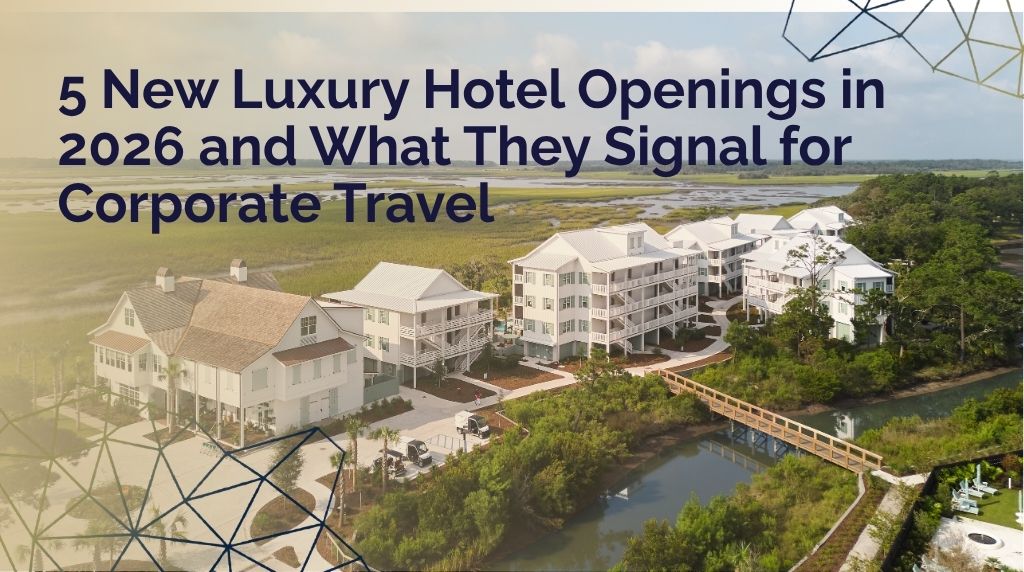
Why We’re Watching It: Part of the growing Auberge Resorts Collection, The Dunlin opened on South Carolina’s Kiawah River and immediately attracted attention for its strong sense of place. Rather than relying on flashy amenities, the property emphasizes coastal Lowcountry culture, nature, outdoor experiences, and thoughtful design. Guests can spend their days exploring waterways, biking trails, and locally inspired culinary experiences that connect them directly to the destination.
The Broader Trend: Luxury Is Becoming More Rooted in Place: Many of today’s most anticipated luxury properties are succeeding because they feel inseparable from their surroundings. Travellers increasingly want accommodations that help them experience a destination rather than simply observe it from a luxury suite. For executive travellers and incentive groups, these properties offer opportunities to create more meaningful and memorable experiences than traditional luxury hotels alone.
