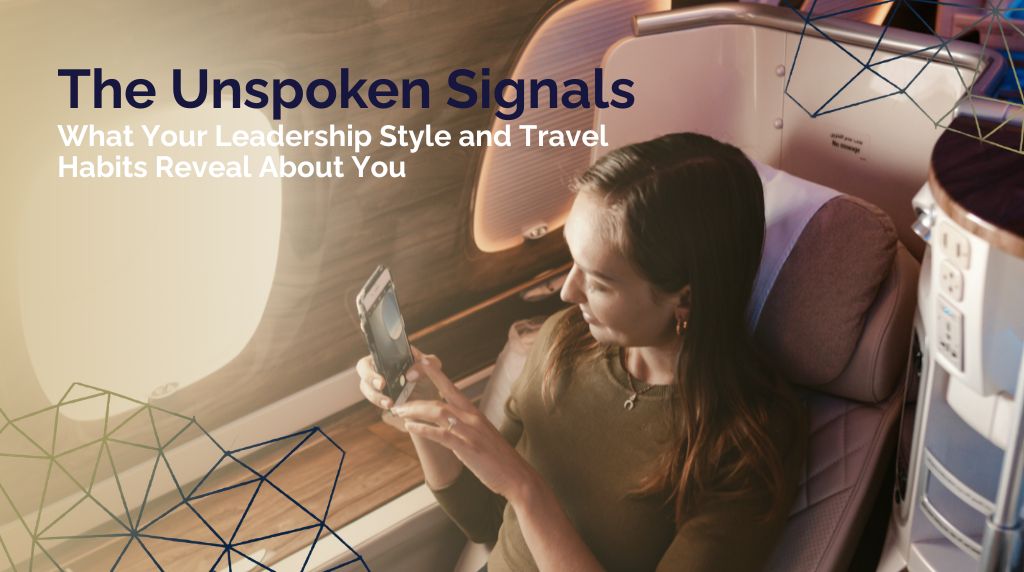

Understanding the connection between leadership style and travel habits is more than an academic exercise. Travel is a crucible. Removed from the structured environment of the office, stripped of familiar routines, and subjected to time pressure and unpredictability, how a leader navigates the journey from point A to point B offers a clear window into their core operational tendencies. It reveals how they process information, manage stress, and value their own time versus that of their team. This is not about judging whether one habit is ‘good’ or ‘bad’, but about recognizing the patterns and understanding what they signify about decision-making, delegation, and strategic focus back in the workplace.
💼 Want to Take the Stress Out of Business Travel?
👉 Get started with a dedicated corporate travel specialist today.
Corporate travel compresses decision-making into a series of critical moments. A cancelled flight, a missed connection, or a last-minute meeting change are not just logistical hurdles; they are unscripted tests of adaptability and problem-solving. A leader’s response—frustration and frantic self-service booking attempts versus a calm call to a trusted resource—is telling. The office environment often masks these traits behind processes and support staff. On the road, however, a leader’s true disposition comes to the forefront. Their approach to planning, their reaction to disruption, and their interaction with service providers all become data points reflecting their broader management philosophy.

“In travel, there’s no script to follow; only decisions to make. And those decisions tend to mirror how you lead everywhere else.”
Observing specific travel patterns can provide profound insight into how executives lead. These are not definitive labels, but rather common correlations between action on the road and strategy in the boardroom.
Some leaders create minute-by-minute schedules, planning every transfer, meal, and coffee break. This meticulous planning suggests a desire for control and a low tolerance for ambiguity. In the office, this individual is likely a hands-on manager who oversees every detail of a project. While this can ensure precision, it can also stifle team autonomy and create bottlenecks.
Conversely, a leader who operates with a flexible framework—key meetings locked in, but with buffer time and room for spontaneity—demonstrates trust in the process and an ability to adapt. When a flight is delayed, they do not see a crisis; they see an opportunity to catch up on emails or connect with a local contact. This leader empowers their team, trusting them to manage their tasks without constant oversight. They focus on outcomes, not the minutiae of the process.
The executive who spends hours hunting for flights on their own, cross-referencing hotel reviews, and managing their own bookings may believe they are saving the company money or finding the ‘perfect’ option. However, this behaviour often reflects a reluctance to delegate. The hours spent on logistical tasks are hours not spent on high-value strategic work. This can mirror a leadership style where the executive is a bottleneck, insisting on approving minor decisions and getting mired in operational details that should be handled by their team or specialized partners.
The strategic delegator understands the value of their time. They leverage an expert, such as a dedicated travel advisor, to manage the complexities of travel logistics. They provide their preferences and objectives, then trust the professional to execute efficiently. This is the hallmark of a leader who builds strong teams and empowers them to do their best work. They understand that true productivity comes from focusing on one’s core competencies. Using a Corporate Travel Management firm isn’t an expense; it’s an investment in executive focus.
A leader who exclusively chooses the cheapest flight, regardless of inconvenient layovers or red-eye schedules, operates from a purely cost-centric mindset. They view travel as a line item to be minimized. This approach can be short-sighted, leading to fatigue, reduced productivity, and poor performance in critical meetings. It can also signal a company culture that prioritizes saving pennies over strategic investment in its people.
In contrast, the value-driven strategist understands Total Cost of Trip (TCT). They recognize that a direct flight, while more expensive in dollars, allows them to arrive rested and prepared. They might choose a hotel closer to the meeting venue to save time and stress. This leader makes decisions based on return on investment, not just upfront cost. They foster a culture that values employee well-being as a driver of business success, a philosophy that is often embedded in well-designed enterprise travel solutions.
Many senior travellers are fiercely loyal to a specific airline, such as Air Canada, or a hotel group like Marriott Bonvoy, to accumulate status and perks. While loyalty programmes offer benefits, an unwavering allegiance can lead to inefficient decisions, such as taking a connecting flight when a direct one is available on another carrier.
This can reflect a leadership style that prioritizes personal preference or ‘the way things have always been done’ over what is most effective for the situation at hand. The pragmatic traveller, however, assesses each trip independently. They, or their travel advisor, select the carrier and accommodation that make the most logistical and financial sense for that specific journey. This mirrors a flexible and objective leadership approach, where decisions are based on data and context, not habit or personal comfort.
A well-designed travel policy acts as a framework that encourages desired behaviours. If a policy prioritizes traveler well-being by allowing business class for long-haul flights, it signals that the company values performance over pure cost-cutting. This encourages leaders to make strategic, value-based decisions rather than simply choosing the cheapest option, reflecting a more supportive and forward-thinking leadership culture.
Self-booking tools shift administrative labour onto the executive. A dedicated advisor, in contrast, allows a leader to delegate logistics strategically. Instead of spending an hour searching for flights, a leader can send a five-minute email with their objectives. The advisor handles the complex research, manages disruptions, and uses their expertise to find the best value. This preserves the leader's most valuable asset: their time and focus.
Yes, consciously modifying travel habits can be a practical way to develop leadership traits. If you tend to micromanage itineraries, practice building more flexibility into your next trip. If you always book travel yourself, try delegating it to a professional. Treating travel as a training ground for adaptability, trust, and strategic delegation can build muscles that translate directly back to how you lead your team in the office.
Your leadership style and travel habits are intrinsically linked. The way you move through the world is a direct reflection of how you lead your team. There is no single ‘right’ way to travel, just as there is no single ‘right’ way to lead. However, awareness is critical. Recognizing these patterns allows for intentionality. By understanding what your habits signal, you can ensure they align with the leader you aspire to be.
A seamless travel programme requires a partner that understands these nuances. It needs a system built on human expertise, not impersonal call centres. At Inspired Travel Group, we provide each client with a dedicated advisor who learns your preferences and priorities, enabling strategic delegation and ensuring that every journey supports, rather than detracts from, your business objectives.
💡 Need help planning business trips? Work with a corporate travel agency that gets it. Inspired Travel Group handles every detail with expert care. Get Started Today!
