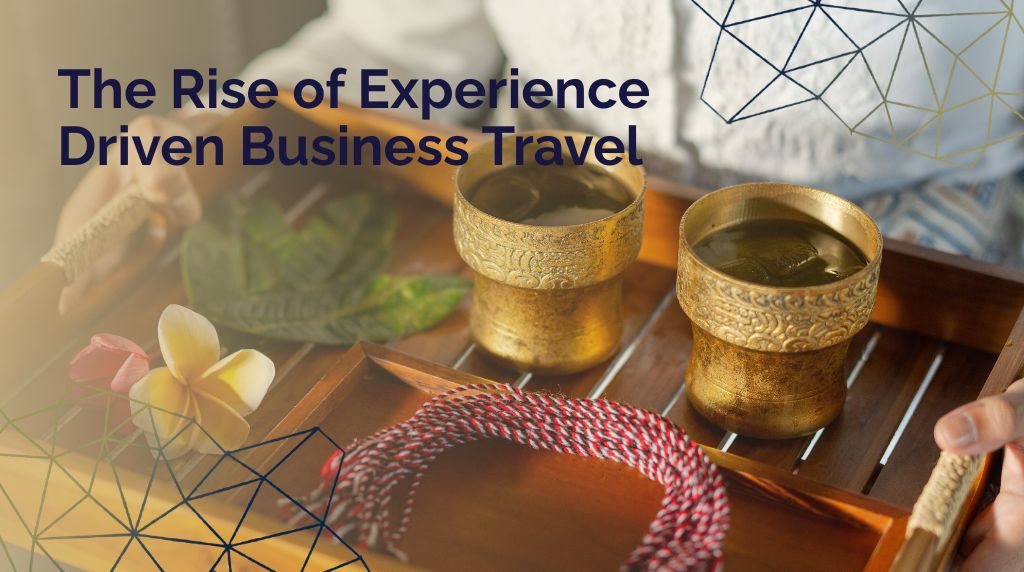

The concept of experience-driven business travel is rapidly shifting from a niche interest to a core strategic consideration for Canadian companies. The traditional model—defined by back-to-back meetings, generic hotels, and rushed airport transfers—is being replaced by a more human-centric approach. This new philosophy recognizes that a business trip is not merely a logistical necessity but an opportunity to invest in an employee’s wellbeing, creativity, and connection to their work. It’s a fundamental change in perspective, viewing travel not as a drain on resources but as a tool for renewal and inspiration.
The operational calculus of business travel has changed. In the wake of widespread burnout and a competitive talent market, organizations are realizing that the ‘road warrior’ culture is unsustainable. A trip that leaves an executive exhausted and disconnected is a failed investment, regardless of the deals closed. Leaders now understand that fostering a culture of health and balance directly impacts long-term performance and employee retention. An experience-first mindset is the logical extension of this understanding, applying modern workplace wellness principles to the company’s travel programme.
This approach is not about adding extravagant or expensive perks. Instead, it focuses on integrating thoughtful, restorative, and enriching elements into an itinerary. It is built on three core pillars:
Implementing an experience-driven strategy is scalable and can be adapted for any type of business travel.
For the individual executive, it might mean working with a dedicated travel advisor to select a property like the 1 Hotel Toronto, known for its focus on nature and wellness, over a standard airport hotel. It could involve pre-booking a pass to a local art gallery for an evening or arranging a guided historical tour to better understand a client’s city. The itinerary, managed seamlessly through an app like Tripscape, feels less like a series of appointments and more like a productive journey.
For small teams, this philosophy shines. Instead of a generic conference room, a strategy session could take place in a unique offsite venue. The focus shifts from pure logistics to creating a memorable, shared context that fosters collaboration.
The ultimate expression of this trend is the full-scale corporate retreat. These events are designed entirely around experience, blending strategic work with activities that rebuild team cohesion and combat burnout. Whether it is a mountain wellness retreat or an urban cultural immersion, these high-stakes trips demand flawless execution. For this, companies need more than a booking agent; they need a partner in Corporate Retreats & Offsites that manages everything from venue sourcing to on-the-ground operations.
The benefits of experience-driven business travel extend far beyond employee satisfaction. Companies that adopt this model report several tangible returns:
Crafting these nuanced itineraries is impossible with self-serve booking tools or anonymous call centres. An online portal cannot understand a traveler’s preference for quiet, boutique hotels or know the best local restaurant for sealing a deal. This level of personalization requires a dedicated advisor who knows the client, their company culture, and their travel objectives. It requires a relationship.
Furthermore, when travel becomes more complex, the risk of disruption increases. Having a single point of contact available 24/7 who can solve problems—from a cancelled flight to a last-minute itinerary change—is the essential foundation upon which a successful travel programme is built. True value lies not in algorithms, but in expertise and accountability.
Not necessarily. It's about a strategic reallocation of budget towards value over pure cost. For example, choosing a slightly more expensive hotel that eliminates the need for daily transportation and offers wellness amenities can provide a better return. Using a travel management company with a transparent, fixed-fee model also prevents hidden costs and ensures budget control, regardless of itinerary complexity.
The return on investment (ROI) is measured through both qualitative and quantitative metrics. Key performance indicators include improved employee retention rates, higher satisfaction scores in post-trip surveys, and anecdotal feedback on client relationship strength. Over time, companies often see a correlation between thoughtful travel policies and overall team performance and morale.
The principles are scalable to all levels of travelers. For an executive, it might be a wellness-focused hotel. For a junior team member, it could be as simple as an extra day to adjust to a new time zone or a per diem that allows for exploring local cuisine. The goal is to apply a human-centric filter to all travel, tailoring the experience to the traveler's role and the trip's objectives.
Standard group travel management focuses on the logistics of moving people for an event like a conference or trade show—flights, transfers, and room blocks. A corporate retreat is a full-service operation where the entire experience is curated from the ground up to achieve specific company culture goals, including venue sourcing, activity planning, and on-site support.
Experience-driven business travel is more than a trend; it is a strategic response to the demands of the modern workforce. It reframes corporate travel as an investment in a company’s most valuable asset: its people. By moving away from a purely transactional model to one that values wellness, connection, and renewal, organizations can build a more resilient, creative, and engaged team. This requires a partner who understands that managing travel is about more than just booking tickets; it’s about managing human experiences. For organizations ready to build a more thoughtful travel programme, our enterprise travel solutions are designed to deliver precisely that.
💡 Need help planning business trips? Work with a corporate travel agency that gets it. Inspired Travel Group handles every detail with expert care. Get Started Today!
