
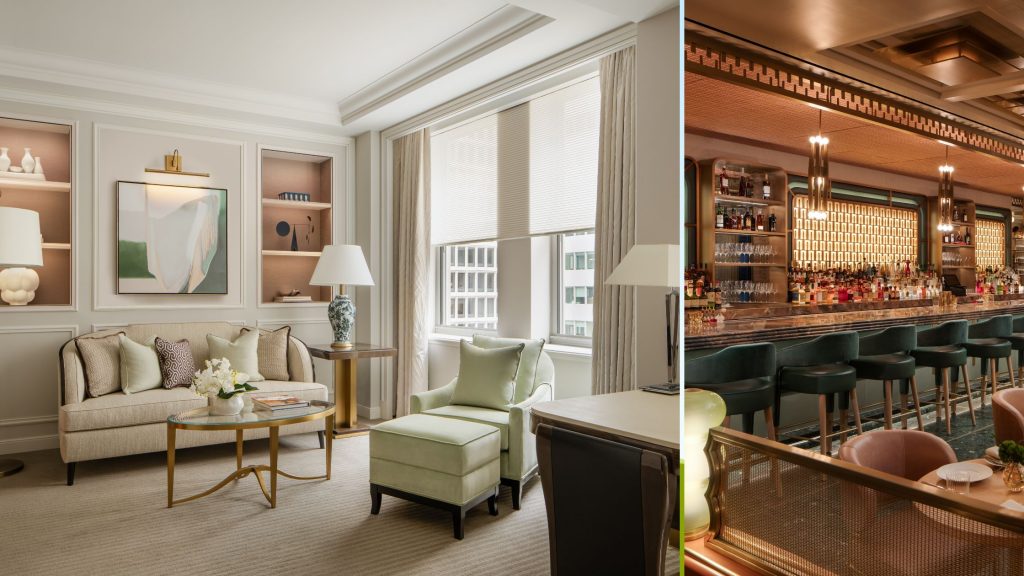
The Icon: The Waldorf Astoria is one of the defining names in American hospitality. The Park Avenue property, an Art Deco landmark since 1931, closed in 2017 for an enormous restoration and redevelopment.
The Reinvention: It reopened in 2025 following an eight-year transformation. One of the most striking changes is scale. The hotel went from approximately 1,400 guestrooms to just 375 hotel rooms, alongside 372 private residences. The new guestrooms are considerably larger, while historic spaces including the Grand Ballroom and Peacock Alley were meticulously restored. A 22,000-square-foot Guerlain Wellness Spa was also added.
Why It Belongs Here: This is not simply the renovation of a famous hotel. It is a fundamental rethink of what the Waldorf should be in the modern luxury era: fewer hotel rooms, more space, residences, wellness and restored heritage. Few hotels illustrate the reinvention trend better: one of America’s largest grand hotels returned dramatically smaller, more residential and more deliberately luxurious.
The Inspired Take: Best suited for executive stays, high-level meetings and special New York trips where history matters but a historic-feeling room does not. This property understands the modern executive’s need for space, privacy and wellbeing. For more information, visit the Waldorf Astoria New York.
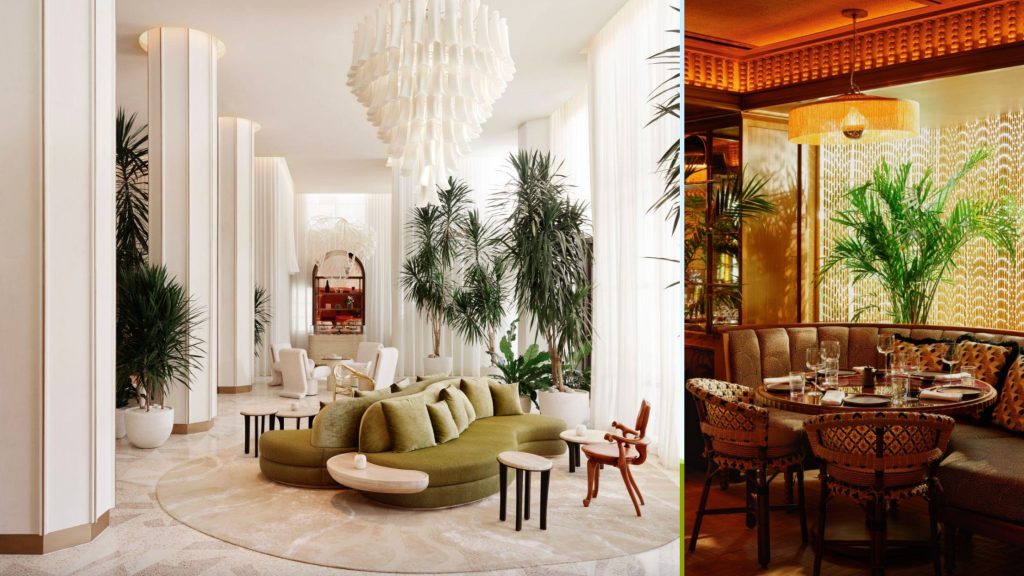
The Icon: The 1947 Art Deco property became one of the defining hotels of modern Miami Beach after its famous 1990s reinvention by hotelier Ian Schrager and designer Philippe Starck. It then closed in 2020, leaving a void in the city’s hospitality scene.
The Reinvention: After roughly six years away and a reported $100 million renovation, Delano reopened in 2026. Its challenge was particularly interesting: how do you reinvent a hotel that became famous because someone already reinvented it once? The new era incorporates refreshed accommodations and a new generation of restaurants and social spaces while retaining the Delano identity.
Why It Belongs Here: The Delano demonstrates that hotel nostalgia alone is not enough. An icon has to feel culturally relevant again. This transformation is about recapturing a spirit, not just restoring a building.
The Inspired Take: Ideal for travellers combining business in Miami with an appreciation for design, dining and nightlife. It is a perfect base for extending a business trip with a few leisure days. Visit the official Delano Miami Beach site to learn more.
The Icon: The Upper East Side property dates back nearly a century and operated for decades as The Surrey, a discreet destination known for its residential feel, before closing during the pandemic.
The Reinvention: It returned in October 2024 under Corinthia Hotels following a complete transformation. The reimagined Surrey now contains just 70 guestrooms, 30 suites and 14 residences. It also features Casa Tua’s first New York outpost and The Surrey Spa featuring Sisley Paris, with interiors by Martin Brudnizki Design Studio.
Why It Belongs Here: Rather than turning a historic New York hotel into something enormous, the repositioning made it feel more intimate and residential. That reflects a wider luxury shift away from size as the primary measure of prestige.
The Inspired Take: Particularly compelling for executives looking for an alternative to Midtown’s larger luxury hotels. Its scale and location offer a sense of privacy and neighbourhood connection that is hard to find elsewhere. Learn more at The Surrey, A Corinthia Hotel.
The Icon: This Mediterranean Revival landmark dates to the 1920s and was most recently known as The Chesterfield. However, for decades prior, it operated under the Vineta name.
The Reinvention: Oetker Collection, known for its portfolio of ‘masterpiece hotels’, restored the historic name as part of a top-to-bottom transformation for its first U.S. property. Following nearly three years of renovation, the hotel reopened in 2026 with a fresh, contemporary feel inside its historic shell.
Why It Belongs Here: This is not simply a hotel changing brands. It is a property recovering an earlier identity while being repositioned for contemporary luxury travel, showing a deep respect for the building’s lineage.
The Inspired Take: A good example of how luxury groups are increasingly interested in hotels that already possess architectural identity, neighbourhood connection, history and a sense of place, rather than trying to create all four from scratch. Explore more at The Vineta Hotel.

The Icon: Opened in 1994, Park Hyatt Tokyo became one of Tokyo’s defining luxury hotels and the first Park Hyatt in Asia. Its position high above Shinjuku, minimalist interiors and cinematic reputation (‘Lost in Translation’) made it internationally recognizable.
The Reinvention: The property reopened in December 2025 after a 19-month restoration, the most comprehensive renewal in its 30-year history. Guestrooms and suites were redesigned, public spaces restored and dining experiences renewed, all with the goal of modernizing the experience without erasing its famous character.
Why It Belongs Here: Park Hyatt Tokyo presents one of the hardest renovation challenges: what do you change when the design people came for has become part of the hotel’s identity? The transformation needed to modernize without erasing familiarity, a delicate balance few achieve.
The Inspired Take: A particularly strong property for the corporate audience because Tokyo itself is such an important global business destination. The hotel’s quiet sophistication and commanding views make it a preferred base for senior executives. Visit the Park Hyatt Tokyo for details.
The Icon: One of Singapore’s longstanding international hotels and an Orchard Road fixture for more than five decades, known for its scale and MICE (Meetings, Incentives, Conferences and Exhibitions) capabilities.
The Reinvention: Grand Hyatt Singapore completed a multi-year transformation in 2025. The 699-room property was reworked around the idea of a ‘Grand Living Room and Wellness Haven’, incorporating redesigned accommodations, new dining concepts, and a renewed focus on wellness and sustainability.
Why It Belongs Here: This is a useful contrast to the smaller boutique transformations. Not every reinvention turns a large hotel into a tiny one. Sometimes the question is how to make a major convention and business hotel feel relevant to travellers who now expect wellness, design and local experiences too.
The Inspired Take: An especially relevant transformation for business travellers and corporate groups. It proves a large-scale hotel can deliver both the logistics required for major events and the personalized touches individual travellers now demand. For complex people-moving, it’s a prime example of effective Group Travel Management. See more at Grand Hyatt Singapore.
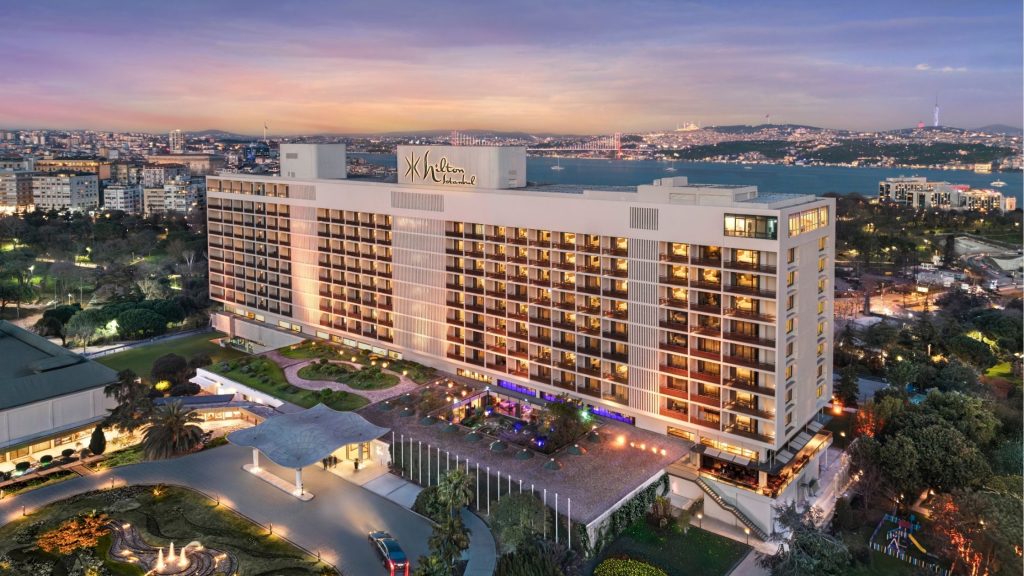
The Icon: A landmark in Istanbul hospitality and Hilton’s longest-serving property outside the Americas. Since opening in 1955, it has been a social and political centre in the city.
The Reinvention: In 2026, the hotel debuted a full-scale transformation covering all 475 guestrooms and suites, new dining and social spaces, contemporary technology and more than 4,000 square metres of event space. The project aimed to update the guest experience while honouring its mid-century modern heritage.
Why It Belongs Here: This property demonstrates how reinvention can maintain a hotel’s role not simply as somewhere tourists stay, but as a longstanding social and business institution within a city.
The Inspired Take: The hotel’s refreshed meeting spaces and modern rooms make it highly relevant for international meetings, groups, and executives adding leisure time in Istanbul around business travel. Learn more at Hilton Istanbul Bosphorus.
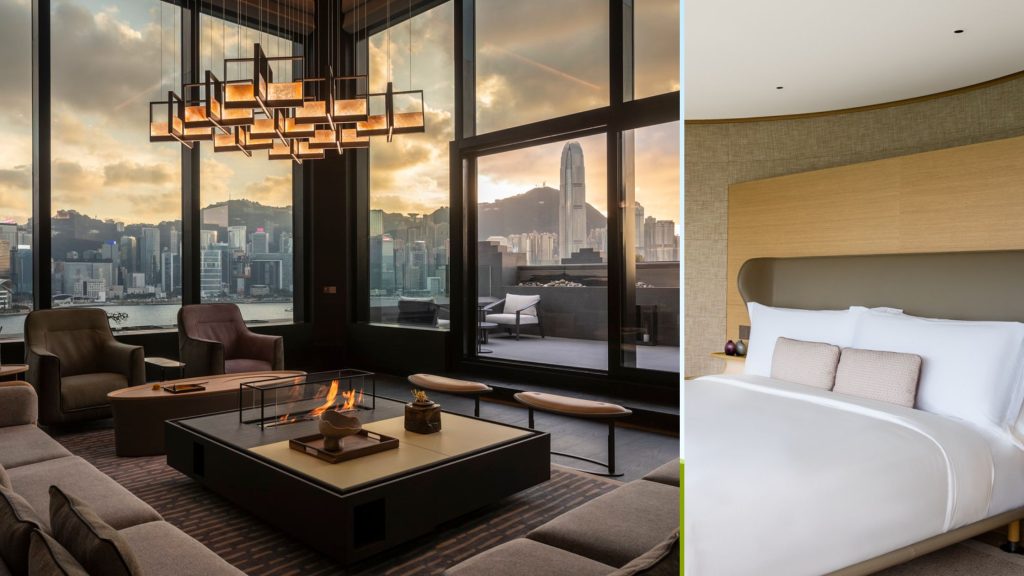
The Icon: The original Regent Hong Kong opened in 1980 and became world-famous for its unparalleled, floor-to-ceiling views of Victoria Harbour. It later operated for years as the InterContinental Hong Kong.
The Reinvention: Following the most extensive transformation in the property’s history, it returned to its original Regent Hong Kong identity. All 497 guestrooms had reopened by February 2024, with a new design by Chi Wing Lo built around the hotel’s exceptional relationship with the harbour.
Why It Belongs Here: This is an especially good example of brand restoration as reinvention. The hotel did not simply get redesigned; it reclaimed the identity that originally made it famous, a powerful move that resonated with loyal past guests.
The Inspired Take: Excellent corporate-travel relevance given Hong Kong’s role as an international commercial centre. The hotel’s view-centric design and legendary service make it a top choice for discerning executives. Explore the hotel at Regent Hong Kong.
The Icon: Opened in 1913, the Carlton’s Belle Époque façade and twin domes are synonymous with La Croisette and the Cannes Film Festival. Its history includes film stars, presidents and a starring role in the mythology of the French Riviera.
The Reinvention: After closing for two years, it returned in 2023 following a major transformation. The historic façade was restored, interiors were redesigned by Tristan Auer, two new wings were added with residences, and the property gained an enclosed garden and what IHG describes as Cannes’ largest hotel infinity pool.
Why It Belongs Here: The project demonstrates one of the central themes of this article: preserve the silhouette people remember, but completely rethink the experience behind it.
The Inspired Take: Especially interesting for luxury corporate events, incentive travel and high-stakes Corporate Retreats & Offsites. The addition of modern amenities and residences makes a historic property newly functional for demanding group programmes. For more, visit Carlton Cannes, A Regent Hotel.
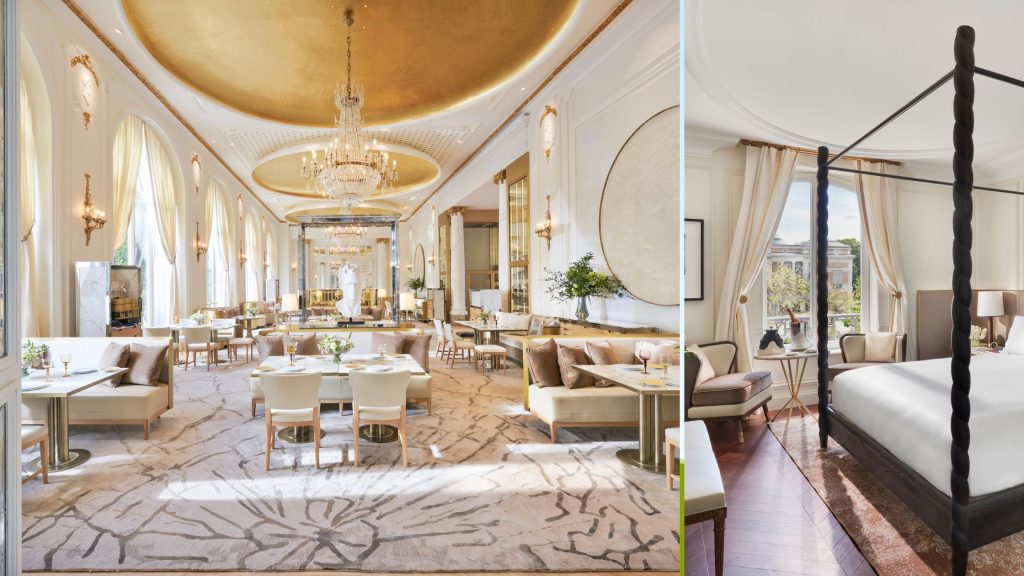
The Icon: The Ritz Madrid opened in 1910 and, under the guidance of legendary hotelier César Ritz, helped establish Madrid’s reputation for grand European hospitality.
The Reinvention: Following the largest renovation in the building’s history, it reopened as Mandarin Oriental Ritz, Madrid. The restoration revived elements that had disappeared for decades, most notably the glass dome over the Palm Court, which had been covered since the 1940s.
Why It Belongs Here: This property captures the idea of reinvention perfectly. The most successful transformations do not simply add something new; sometimes they bring something old and essential back to light.
The Inspired Take: A strong fit for executive stays in Madrid and business trips extended into cultural weekends. The restoration reaffirms the hotel’s position as a centre of social and business life in the Spanish capital. Discover the property at Mandarin Oriental Ritz, Madrid.
Looking at these transformations reveals clear patterns in what contemporary luxury travellers value.
For business travellers, hotel reinvention is not only aesthetically interesting. Many of these transformations are adding exactly the things modern executives now value: better wellness facilities, larger rooms for working and relaxing, modern technology, flexible meeting spaces and stronger dining options for hosting clients. This is why a historic hotel can sometimes make more sense for a modern business trip than a brand-new one. The building may have history, but the experience does not have to feel dated. Finding the right property that aligns with your company’s travel policy and duty of care standards is a core function of effective Corporate Travel Management.
Travel media will continue publishing lists of next year’s newest hotels. And they should; new openings are exciting. But they are only half of the hospitality story. Some of the hotels most worth watching already exist. They are simply becoming something new. The next great hotel on your travel list may have opened 100 years ago.
